Local Insider Guide — Park City
Every last Friday, 16+ galleries open their doors along Historic Main Street. Here is how to make the most of Park City's biggest recurring art event — whether you are visiting for the first time or collecting seriously.
In This Guide
• 01 What Is the Park City Gallery Stroll?
• 02 Gallery-by-Gallery Highlights
• 03 How to Evaluate Art as an Investment
• 04 Practical Tips: Parking, Route & Timing
• 05 Seasonal Guide: Sundance, Ski Season & Summer
• 06 Frequently Asked Questions
What Is the Park City Gallery Stroll?
The Park City Gallery Stroll is one of Utah's longest-running and most significant recurring art events. Every last Friday of the month, more than 16 galleries along Historic Main Street and the surrounding blocks open their doors from 6:00 PM to 9:00 PM, offering complimentary refreshments, new exhibition openings, and direct access to gallery directors and artists. It is free, walkable, and open to everyone.
For locals, the Gallery Stroll is a community institution — a regular touchpoint with the art world that does not require a plane ticket to New York or Miami. For visitors, it is one of the best things to do in Park City on any given trip, regardless of season. And for collectors, it is the single most efficient way to survey the Park City art market, compare galleries, and identify works worth acquiring.
What distinguishes Park City's gallery stroll from art walks in other resort towns is the quality and permanence of its galleries. These are not pop-up booths or seasonal vendors. The galleries along Main Street are established, year-round operations with represented artists, curated inventory, and professional gallery directors. Many have been operating for decades. The collector base they serve — second-home owners, Sundance regulars, ski industry executives, and retirees with serious disposable income — drives a caliber of work that you would not expect to find in a town of 8,000 people.
The stroll began as an informal agreement among Main Street gallery owners to stay open late on the same evening, creating a critical mass of foot traffic that benefited every gallery on the street. Over the years, it has evolved into a coordinated event supported by the Park City Gallery Association and the Historic Park City Alliance, with printed maps, social media promotion, and seasonal programming tied to Sundance, the holiday season, and the summer tourist influx.
The format is simple: start at either end of Main Street and work your way through. Every gallery has something different — Western landscapes, contemporary photography, glass sculpture, abstract painting, mixed media. The range is the point. In three hours, you can get a comprehensive education in what the Park City art market looks like right now, which galleries are doing interesting things, and where the investment-grade work actually is.
That last part matters more than most visitors realize. Not every gallery on the stroll is selling work that will appreciate. Understanding the difference between decorative art and investment-grade art is the single most important skill a collector can develop on Gallery Stroll night, and this guide will show you exactly what to look for — as will our overview of the investment art market in Park City .
Gallery-by-Gallery Highlights
The Park City gallery scene covers a wide spectrum — from traditional Western art to cutting-edge contemporary photography. Here is a candid guide to what each major gallery offers, what kind of collector it serves, and where the investment-grade work stands out.
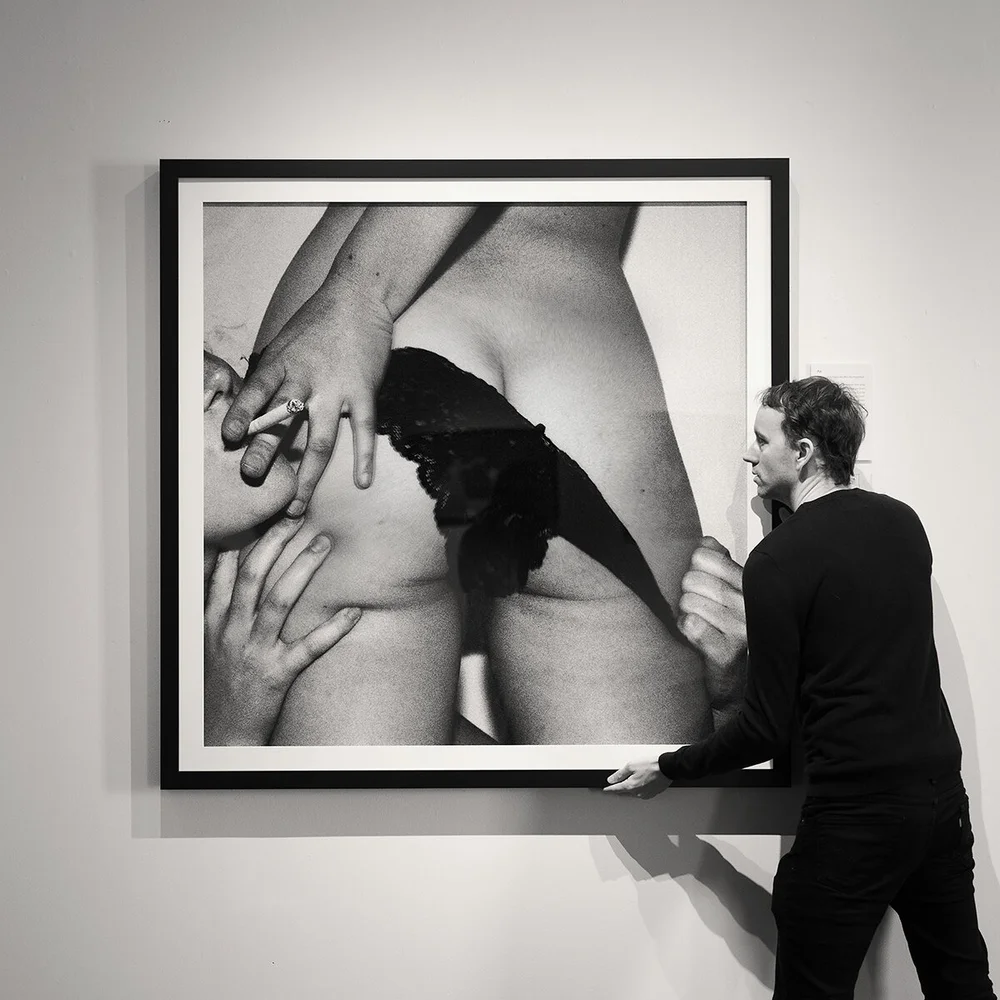
Investment-grade contemporary photography during a Park City Gallery Stroll evening — the kind of work that appreciates on secondary markets.
Meyer Gallery
One of the anchors of Main Street, Meyer Gallery focuses on Western and contemporary art with a strong emphasis on oil painting, bronze sculpture, and mixed-media work. Their roster leans toward representational art — landscapes, figurative work, wildlife — and they have deep relationships with established Western artists. For collectors who want museum-quality traditional American art, Meyer is worth serious time. Their stroll openings often feature live painting demonstrations and artist meet-and-greets.
Gallery MAR
Gallery MAR (Main Street Art Resources) occupies a prime location on Main Street and shows a curated mix of contemporary painting, sculpture, and glass art. Their program tends toward bold color and large-scale works that appeal to the second-home collector furnishing a new property. The gallery is well-run and the presentation is professional. For collectors looking for statement pieces in the $3,000–$20,000 range with strong visual impact, Gallery MAR delivers consistently.
Trove Gallery
Trove occupies a distinctive niche in the Park City gallery ecosystem. Their inventory leans contemporary with a focus on accessible price points and emerging artists. The gallery has a more casual, discovery-oriented feel than some of the more established spaces on Main Street. For first-time collectors or visitors looking for something interesting under $5,000, Trove is a good starting point on the stroll. Their edition prints and smaller works make art collecting feel approachable.
Thomas Anthony Gallery
Thomas Anthony Gallery specializes in wildlife and nature photography alongside Western landscapes. The work is technically accomplished, and the gallery's presentation emphasizes large-format prints in premium framing. For collectors interested in nature photography as a specific genre, this gallery has depth. The stroll is a good opportunity to see their large-format work properly lit and installed, which photographs do not convey.
David Beavis Gallery
David Beavis has built a focused program around contemporary sculpture and three-dimensional work. The gallery stands out on the stroll for the sheer physical presence of its inventory — large-scale metal and stone sculpture that most other galleries on Main Street do not carry. For collectors with the space (and budget) for sculptural work, this gallery is worth a dedicated stop. Prices reflect the scale and material costs of sculpture.
Provocateur Gallery — The Investment-Grade Standout
Full disclosure: this is our gallery. But the positioning is factual and differentiated. Provocateur Gallery is the only gallery on the Park City stroll circuit focused specifically on investment-grade contemporary art — work that is acquired with both aesthetic conviction and financial trajectory in mind.
• Direct artist representation: We maintain primary relationships with represented artists — including internationally exhibited photographers like Tyler Shields — giving collectors first access to new editions at gallery pricing
• Small editions: The works we carry are typically produced in editions of 3–10, not open editions or runs of 500. Edition scarcity is the single biggest driver of secondary market appreciation
• Full provenance documentation: Every work comes with certificates of authenticity, edition records, and complete provenance chain — the paperwork that matters when the time comes to sell or donate
• Price-match guarantee: We will match or beat any other retail gallery pricing on the same work by the same artist. You will not find the work cheaper elsewhere
• Investment research: We publish detailed investment research with auction data, ROI case studies, and market analysis — the financial context that most galleries do not provide
• Tax strategy guidance: Our tax strategy resources help collectors understand Section 179, bonus depreciation, and charitable donation strategies specific to art ownership
The difference you will notice on Gallery Stroll night is the conversation. At most galleries, the conversation is about color, size, and whether it matches the sofa. At Provocateur, the conversation is about edition size, secondary market trajectory, artist career arc, and how the acquisition fits into a collection with genuine financial structure. That is the difference between buying art and collecting art.
For a deeper look at one of our represented artists, see the full profile on Tyler Shields and our investment analysis of his photography market — including his career trajectory, the four major series, edition structure, and why his primary acquisition window is still open.
How to Evaluate Art as an Investment During the Stroll
The Gallery Stroll is one of the best live environments to practice the collector's most important skill: separating work that will appreciate from work that will not. Here is the framework that experienced collectors use, translated into questions you can ask at every stop along the stroll.
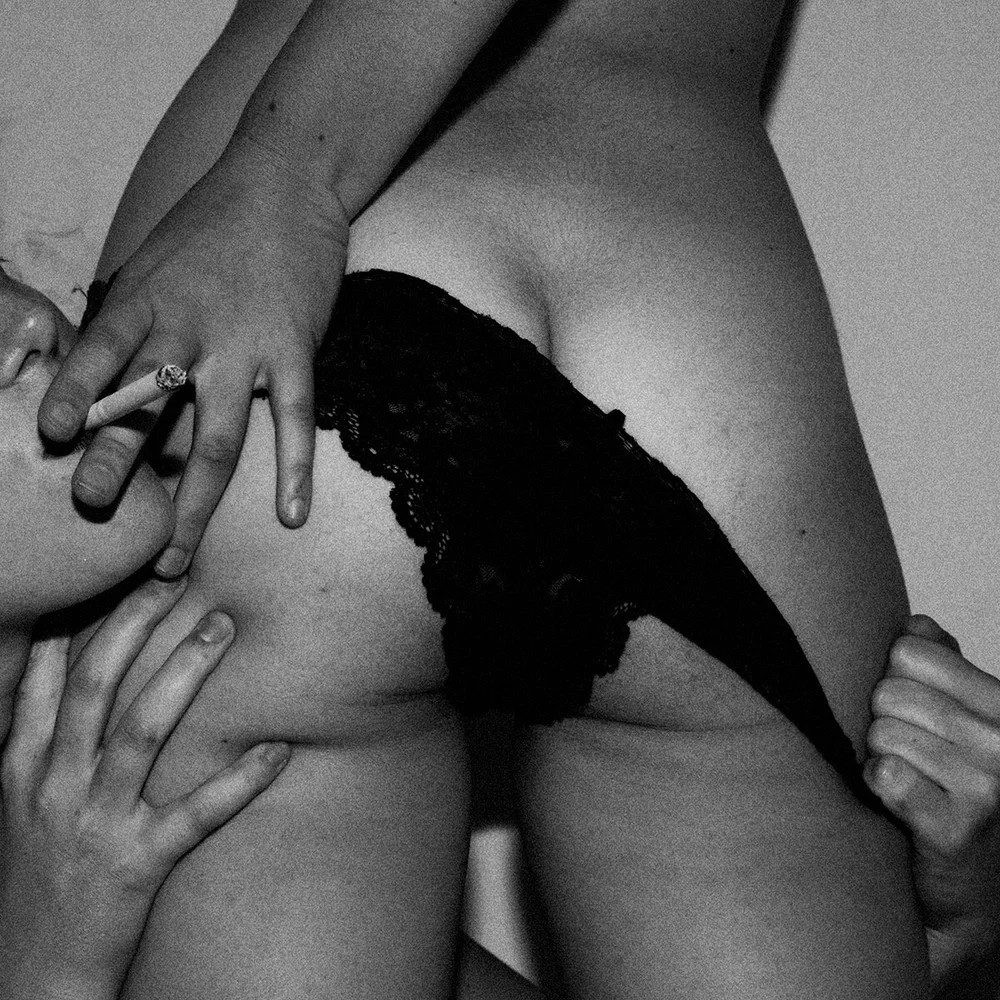
Small-edition contemporary photography from represented artists — the kind of work that collectors evaluate for secondary market potential during the stroll.
Edition Size: The First Question to Ask
At every gallery you enter during the stroll, the first question to ask about any work that interests you: "What is the edition size?" This single data point tells you more about a work's investment potential than almost anything else.
Works in editions of 3–10 have the scarcity structure that drives secondary market appreciation. When a collector or institution wants a specific work and only 5 exist, they pay what the market demands. Works in editions of 50, 100, or — worse — open editions will almost never appreciate meaningfully because supply can always meet demand.
Most galleries on the stroll carry a mix. The investment-grade work is usually in the smallest editions at the highest price points. That is not a coincidence. The galleries that understand their collector base price and edition their work to create genuine scarcity.
Provenance and Documentation
The second question: "What documentation comes with the work?" Investment-grade art requires a paper trail — certificate of authenticity, edition number, artist signature (or estate stamp for posthumous works), gallery invoice, and ideally a provenance chain showing every previous owner.
When you sell or donate the work — and serious collectors eventually do both — the documentation is what determines value. A work by a known artist without proper documentation can sell for 30–50% less than the same work with full provenance. On stroll night, ask to see the documentation before you fall in love with the aesthetic. If the gallery cannot produce it, that is a signal about the level of seriousness.
Gallery Representation vs. Consignment
Ask the gallery: "Do you represent this artist, or is this a consignment piece?" The distinction matters for investment.
A represented artist has a direct, exclusive (or semi-exclusive) relationship with the gallery. The gallery promotes the artist, controls pricing and editioning, and has a vested interest in the artist's market growth. This alignment between gallery and artist is the mechanism by which markets are built. When you buy from the representing gallery, you are buying at the source.
A consignment piece — where the gallery is selling on behalf of an owner — is not inherently bad, but it does not carry the same structural advantage. The gallery has less control over pricing, less investment in the artist's trajectory, and less accountability for documentation. Know the difference.
• Edition size: Is it under 10? Under 25? Open edition? This determines scarcity
• Documentation: Certificate of authenticity, edition record, provenance chain — ask to see it
• Gallery relationship: Is the artist represented or consigned? Primary or secondary market?
• Artist trajectory: Museum exhibitions, major publications, auction history? Rising career arc is the appreciation signal
• Comparable sales: Has the artist's work sold at auction? At what prices? Ask the gallery for data
• Hold period: Am I prepared to hold this for 5–10 years? Art is illiquid — do not buy for a quick flip
Artist Career Trajectory
The works that appreciate most over time share a common pattern: the artist's career was on an upward institutional trajectory at the time of acquisition. Museum shows, major publication features, gallery representation in multiple markets, inclusion in significant collections — these are the leading indicators.
On stroll night, ask gallery directors about the institutional trajectory of their artists. Good galleries will have this information readily available because it is the basis of their sales pitch to serious collectors. Galleries that cannot articulate an artist's trajectory beyond "this is a beautiful piece" are not selling investment-grade work. They are selling decor.
For a detailed framework on evaluating artists and building a collection with financial structure, see our Complete Collecting Guide and our post on how to start an art collection in Park City . For specific auction data and return analysis, see the Investment Research page .
Practical Tips: Parking, Route & Timing
The Gallery Stroll runs from 6:00 PM to 9:00 PM on the last Friday of every month. Three hours sounds like plenty. It is not — not if you want to actually look at the work rather than glance. Here is how to maximize your time.
Where to Park
Parking is the single biggest friction point of the Gallery Stroll, especially during peak months. The two best options:
• China Bridge Parking Structure (450 Swede Alley) — Free. Multi-level garage with direct access to the bottom of Main Street. This is the default for locals. During peak months, arrive by 5:30 PM
• Brew Pub Lot (top of Main Street) — Free surface parking at the upper end of Main Street. Less congested than China Bridge, but fills quickly in summer and during Sundance
• Main Street Trolley — The free trolley runs along Main Street during evening hours. If you park at either end of Main Street, the trolley can save you the uphill walk between galleries
• Side street parking — Residential streets off Main Street sometimes have open spots. Check posted signs carefully — some are permit-only during events
The Optimal Route
Start at the top of Main Street and work downhill. This is counterintuitive — most visitors start at the bottom (China Bridge) and walk up. But starting at the top means you are hitting galleries while the crowds are still thin, and you are walking downhill rather than climbing at the end of the evening when your energy is lower.
Park at the Brew Pub lot, begin with the galleries at the upper end of Main Street, and work your way down to the China Bridge area. When you reach the bottom, you can either loop back to your car on Swede Alley or grab dinner at one of the restaurants on lower Main Street and walk back later.
If you are a serious collector, do not try to see every gallery in one stroll. Pick 6–8 galleries, spend real time in each one, and plan to return next month for the rest. The stroll happens every month — there is no urgency to see everything in a single evening.
Best Time to Arrive
The optimal arrival time depends on your goals:
5:45 PM — Serious collector: Arrive 15 minutes before the stroll officially starts. Many galleries begin opening early, and you will have gallery directors to yourself before the crowds arrive. This is when the best conversations happen — when a director has time to actually walk you through the work rather than managing a room full of visitors.
6:00 PM — Art enthusiast: The official start time. Galleries are open, refreshments are flowing, and the energy on Main Street picks up. Good time if you want the full social experience.
7:30 PM — Late arrival: The crowds thin out toward the end. If you dislike crowds and want a more contemplative experience, arriving in the final 90 minutes gives you a quieter stroll. The downside: some galleries start packing up refreshments and artists may have departed by 8:30 PM.
What to Bring
Comfortable walking shoes — Main Street is steep and you will be on your feet for 2–3 hours. A phone for photos (most galleries allow photography; always ask first). A business card or contact info if you want to follow up with galleries. And a genuine willingness to ask questions — gallery directors are there to have conversations on stroll night, and the collectors who get the most out of the evening are the ones who engage.
Seasonal Guide: Sundance, Ski Season & Summer
The Gallery Stroll runs year-round, but the experience — and the opportunities — vary dramatically by season. The savviest collectors time their acquisitions around the seasonal cycle.
Gallery Stroll during peak season draws serious collectors from across the country — investment-grade contemporary art available through Provocateur Gallery.
January: Sundance Season
The January Gallery Stroll — which typically falls during or adjacent to the Sundance Film Festival — is the biggest night of the year. Main Street is packed with film industry professionals, brand executives, international visitors, and the collectors who come specifically for Sundance's cultural energy. Galleries pull out their best inventory. New exhibitions debut. Artist appearances are common.
For collectors, Sundance season is double-edged. The energy is electric, but the crowds make serious gallery conversations difficult. If you are acquiring, schedule a private appointment before the stroll and use the evening for social engagement. For browsing and discovery, there is no better stroll than January.
The collector-friendly move: attend the stroll in January for the energy, then follow up in February or March for the actual acquisition conversation when gallery directors have time to talk properly.
February–April: Ski Season
Ski season strolls draw a consistent crowd of second-home owners and destination visitors. The atmosphere is more relaxed than Sundance but still well-attended. Galleries maintain strong inventory through ski season because the visitor demographic skews affluent and acquisition-ready.
This is the sweet spot for serious collectors. The crowds are manageable, the galleries are fully stocked, and gallery directors have time for the detailed conversations that lead to informed acquisitions. Spring skiing plus Gallery Stroll is one of the most underrated weekend trips in the Mountain West.
May–September: Summer Season
Summer strolls benefit from warm weather, longer daylight hours, and a tourist crowd that is more family-oriented than the ski season base. Attendance can be high — especially in July and August — but the buying energy is different. Summer visitors are more likely to be casual browsers than active collectors.
For collectors, summer strolls are a good time to check in on new inventory and build relationships with galleries you have visited before. The galleries that take summer seriously — refreshing exhibitions, bringing in new artists — are the ones with the strongest year-round programs. Pay attention to who is investing in their summer programming. It signals gallery health.
October–December: Shoulder & Holiday Season
The fall shoulder season (October–November) is the most underrated window for collectors. Attendance drops after summer, galleries are motivated to move inventory before year-end, and the intimate atmosphere of an uncrowded stroll makes for the best gallery conversations of the year.
December picks up with holiday shopping and pre-ski-season energy. For collectors thinking about tax strategy , year-end acquisitions can be structured to capture Section 179 or de minimis safe harbor deductions in the current tax year — making December a financially strategic time to buy.
• January (Sundance): Browse and discover. Schedule private appointments for serious acquisitions
• February–April (Ski): The sweet spot — good inventory, manageable crowds, focused gallery conversations
• May–September (Summer): Relationship building, new inventory checks, casual discovery
• October–November (Shoulder): Best conversations, motivated galleries, underrated acquisition window
• December (Holiday): Year-end tax strategy timing — acquire before December 31 for current-year deductions
Frequently Asked Questions
Everything visitors and collectors ask about the Park City Gallery Stroll — from logistics to buying.
The Park City Gallery Stroll takes place on the last Friday of every month, year-round. Galleries along Main Street and in the surrounding area typically open from 6:00 PM to 9:00 PM. The event is free, walkable, and open to the public. During peak seasons — Sundance in January and summer tourist months — turnout can be significantly higher, so arriving early (5:30–5:45 PM) is recommended for the best experience.
Over 16 galleries participate in the monthly Gallery Stroll, concentrated along Historic Main Street and the surrounding blocks. Participating galleries include Meyer Gallery, Gallery MAR, Trove Gallery, Thomas Anthony Gallery, David Beavis Gallery, and Provocateur Gallery, among others. Each gallery typically offers refreshments, live demonstrations, or new exhibition openings during the stroll. The exact number fluctuates slightly month to month, but the core group of established galleries participates consistently.
The best parking options are the China Bridge parking structure (free, located at 450 Swede Alley) and the Brew Pub parking lot at the top of Main Street. Both are within easy walking distance of all participating galleries. During peak months (January for Sundance, summer weekends), arriving by 5:30 PM is recommended to secure a spot. The free Main Street trolley also runs along the gallery corridor during evening hours, so you can park at one end and ride to the other.
Yes — all participating galleries are open for business during the stroll. Many galleries debut new works or exhibitions specifically for Gallery Stroll nights. For collectors interested in investment-grade pieces, the stroll is an ideal opportunity to view works in person, ask about edition sizes and provenance, and establish relationships with gallery directors. Provocateur Gallery specializes in investment-grade contemporary art and offers full provenance documentation, certificates of authenticity, and price-match guarantees. Contact us via the inquiry form or stop by during the stroll.
The Park City Gallery Stroll stands out for the concentration of established, year-round galleries in a compact walkable area — this is not a temporary pop-up or seasonal market. The collector base includes second-home owners, Sundance regulars, and affluent professionals, making the galleries more oriented toward serious art than tourist souvenirs. The monthly cadence creates sustained relationships between galleries and returning collectors, which is why serious acquisitions happen on stroll nights more than any other time. For collectors interested in the investment angle, see our Investment Research page and Collecting Guide .
Next Step
Visit Provocateur Gallery on the Next Gallery Stroll
Whether you are attending the Gallery Stroll for the first time or you are a returning collector ready to make your next acquisition, we would be glad to have a real conversation about the work — edition structure, artist trajectory, secondary market data, and how it fits into your collection. Stop by during the stroll or schedule a private appointment for a quieter conversation.
Investment disclaimer: Past appreciation does not guarantee future returns. Art should be acquired primarily for its aesthetic and cultural value; financial returns are not guaranteed. This content is for informational purposes only and does not constitute tax or investment advice. Consult qualified professionals before making acquisition or tax decisions. Full investment disclaimer.
Related Posts
Stay in the conversation
Art market insights, new acquisitions, and investment strategies — delivered weekly.